Information verified on 6 September 2026. The US approvals cited do not prejudge the status in Morocco. This information sheet is not a substitute for medical advice.
When appetite decreases significantly whilst on GLP-1, eating less may seem straightforward. However, ensuring a sufficiently varied diet can sometimes become more difficult. The aim is to maintain a diet that is palatable, nutritious and regular, rather than turning every meal into an ordeal or letting the day boil down to nothing but coffee.
Recent nutritional recommendations emphasise the assessment of nutrient intakes, the prevention of deficiencies, the management of digestive symptoms and the maintenance of physical capacity. They are based in part on expert consensus: requirements must be tailored to the individual. Source: Consensus on nutritional support for GLP-1 treatments.
Putting together small meals with a proper structure
A large plate packed with raw vegetables can be daunting when you feel full quickly. You could start with a small portion of a protein-rich food, add a starchy food you can tolerate and some vegetables, then save a dairy product or a piece of fruit for later if necessary. It’s not about cutting out a whole food group, but about distributing the volume more sensibly.
| Moment | Adaptable example | Smaller version |
|---|---|---|
| Morning | Egg, small piece of bread, plain yoghurt | Eggs and bread now, yoghurt later |
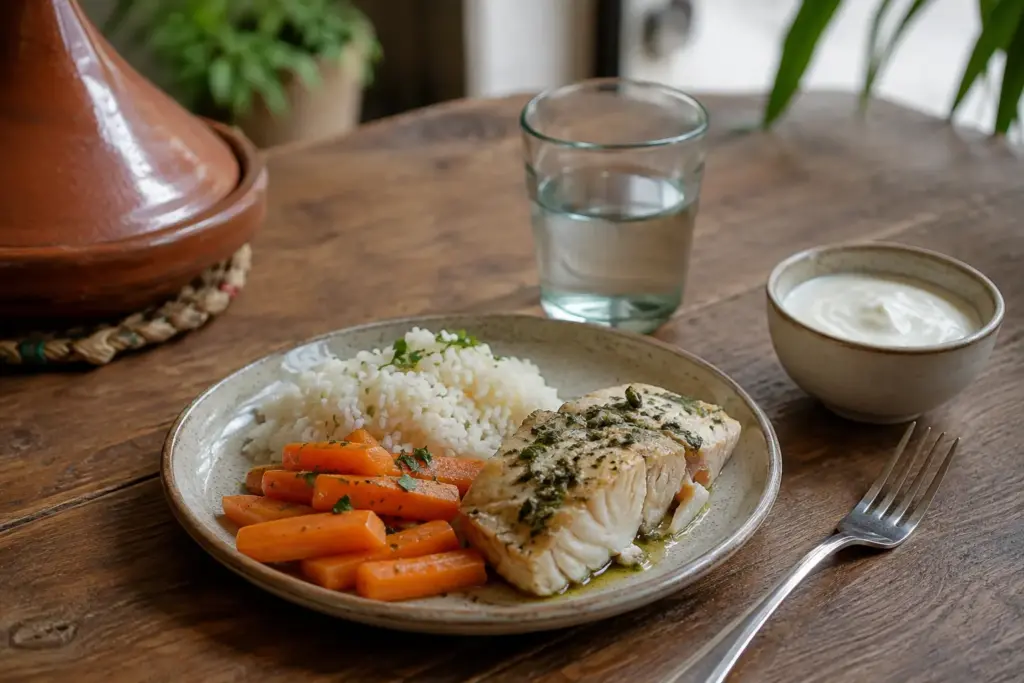
| Midi | Fish, a little rice, cooked carrots | Start with a half portion, then add more depending on your appetite |
| Afternoon | Dairy products and fruit, depending on tolerance | A few spoonfuls of dairy product, then the fruit at a later time |
| Evening | Vegetable soup enriched with well-cooked lentils, egg or tender chicken | A small bowl, without trying to finish a set amount |
These recommendations do not constitute a complete diet or a calorie prescription. Portion sizes and protein targets should be determined in consultation with your healthcare team, particularly in cases of kidney disease, malnutrition or loss of strength.
Drink regularly without waiting until you are very thirsty
Keeping water to hand and drinking in small sips may be more comfortable than drinking a large glass in one go. A water bottle on your desk or a glass at every break helps to make it a habit. If you have been advised to restrict your fluid intake due to a heart or kidney condition, follow this advice rather than a target found online.
Repeated vomiting or diarrhoea can lead to dehydration. Do not wait several days if you are unable to keep fluids down, if your urine output decreases significantly or if you experience severe dizziness.
Adapt meals to suit symptoms, without introducing too many dietary restrictions
- Nausea: Try eating smaller meals and eating slowly; identify foods that are very high in fat or very spicy, or smells that personally aggravate your symptoms.
- Feeling of fullness: Take a break as soon as you feel the need and spread the rest over another time.
- Constipation: Gradually adjust your fibre intake, fluid intake and exercise regime with the guidance of a professional, without suddenly adding several different fibre powders.
- Reflux: Avoid going to bed immediately after a meal and report any persistent symptoms to your prescriber.
A strategy that works for one person may be uncomfortable for another. A very simple diary — noting the time, meals and symptoms — helps to identify a pattern. There is no need to weigh everything you eat if this becomes a source of anxiety.
What a shaker can do, and what it cannot replace
A protein drink can be a useful alternative when solid food is difficult to digest, provided it is suitable for your medical condition. It does not automatically provide enough energy, fibre or micronutrients to replace several meals. Yoghurt, milk, eggs or fortified soup can also be everyday alternatives.
A supplement is only worthwhile when it addresses an identified need. Taking one without checking what you’re missing is likely to complicate your routine and put a strain on your budget. TheNutritional and fitness support The choice goes beyond just a powder.
When to get back in touch with your healthcare team
A persistent loss of appetite that prevents you from eating, increasing weakness, persistent vomiting or severe abdominal pain require medical assessment. Do not alter your treatment or increase the dose yourself. You must also inform your healthcare professional if you are pregnant, planning to become pregnant, have a planned operation or are taking other medicines.
To complete: GLP-1 and the preservation of muscle mass, then Preparing for post-treatment.
Original illustration; it does not represent an identified commercial product or a real clinical situation.