
Significant weight loss is never due solely to fat: part of the mass lost is lean body mass. When taking GLP-1, the sharp reduction in appetite can make it more difficult to maintain protein intake and continue with training. The aim is not to ‘prevent’ any change in lean body mass, but to preserve muscle, strength and independence as much as possible.
1’s priority: to continue stimulating muscle growth
Walking improves health, but the most effective way to maintain muscle mass is still resistance training. Two to three sessions a week may be sufficient: adapted squats, pushes, pulls, hip hinges and weight-bearing exercises. The aim is reasonable progression, not exhaustion. The WHO recommends at least two days of strength training for the major muscle groups per week.
2’s priority: balancing protein intake
For active people, the ISSN often recommends a useful daily intake of between 1,4 and 2,0 gper kg per day, to be tailored to the individual. In cases of severe obesity, a dietitian may base recommendations on a target or adjusted weight to avoid unrealistic figures. Spreading 20 to 40 g of high-quality protein across several meals is generally more practical than concentrating it all in the evening.
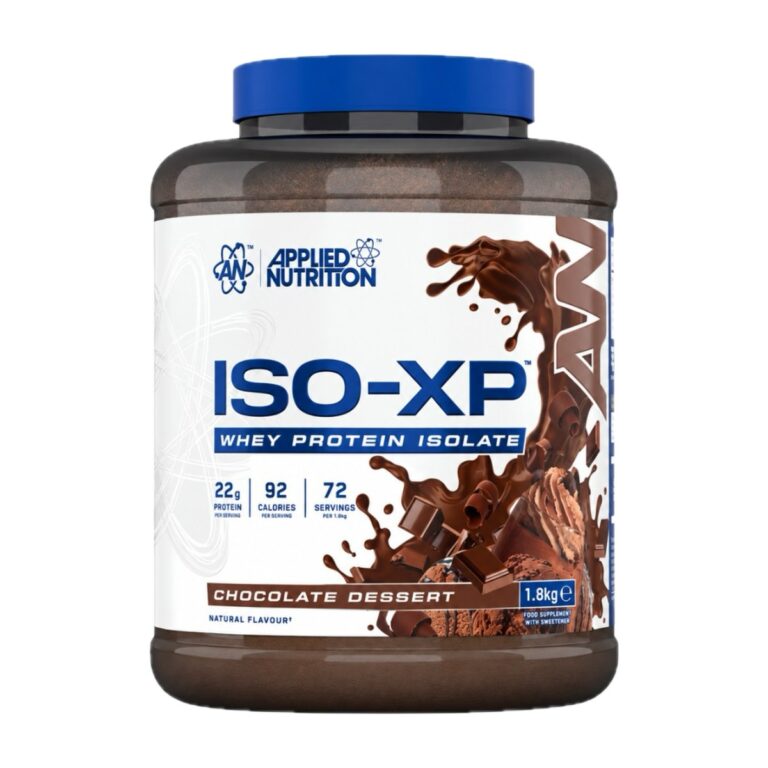
Start your meal with a protein source when your appetite is low: eggs, fish, chicken, high-protein yoghurt, pulses or tofu. A powder isn’t essential, but a whey isolate It may be a practical solution if it is well tolerated and if it supplements, rather than replaces, meals.
3’s priority: not to turn every meal into an extreme restriction
The medication already reduces appetite. Adding an aggressive calorie deficit increases the risk of fatigue, reduced performance and insufficient nutrient intake. It is better to eat smaller portions that are nutrient-dense: protein, vegetables, starchy foods suited to your activity level, a little fat, and plenty of fluids.
A more useful way to track your progress than just using the scales
- Note down the weights or repetitions for a few simple exercises.
- Measure your waist circumference regularly, but not every day.
- Keep an eye on your energy levels, your ability to climb stairs and the quality of your training sessions.
- Seek professional advice before using any body composition measurements that could be interpreted as a diagnosis.
The effective minimal strategy
If you are to remember just three things: two strength training sessions a week, a source of protein at every meal, and weight loss that is medically supervised rather than pursued at breakneck speed. Muscle mass is a functional asset; it deserves an explicit place in the treatment plan.