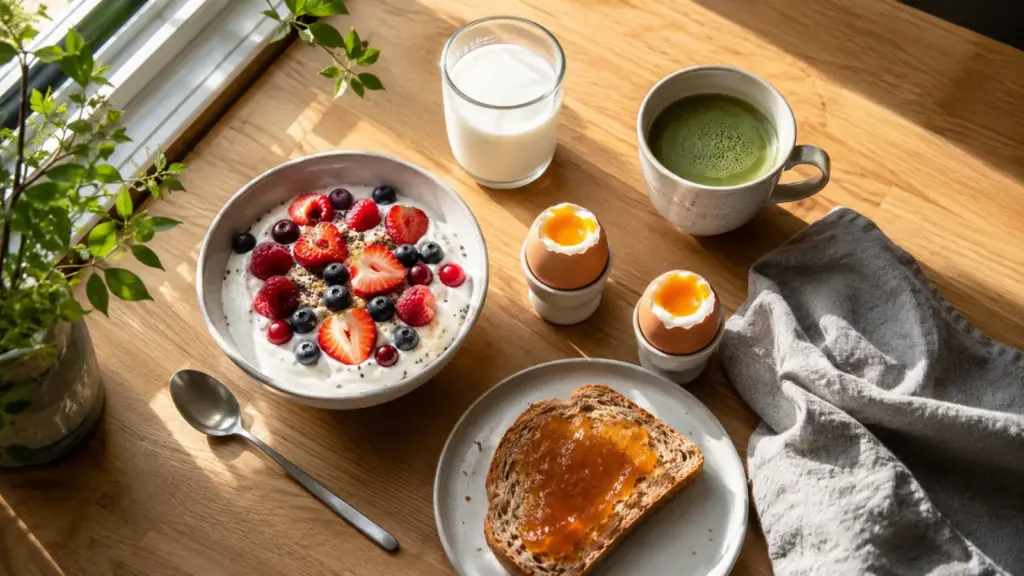
The classic Moroccan breakfast — bread, jam, sweetened tea, and sometimes msemen — consists almost exclusively of carbohydrates. It gives you a quick energy boost, which drops just as quickly, and a craving for a snack a11h is inevitable. Rebalancing this meal is often the change that requires the least effort for the greatest impact.
What a difference protein makes when you wake up
Three documented effects:
Satiety. Proteins stimulate satiety hormones (GLP-1 and peptide YY) to a greater extent than carbohydrates. Interventional studies show a marked reduction in spontaneous food intake mid-morning.
Blood sugar stability. A balanced breakfast helps stabilise blood sugar levels. Fewer spikes, fewer dips, fewer energy slumps.
Spreading intake throughout the day. Protein synthesis is better stimulated by three to four smaller, spread-out meals than by a single large meal in the evening. Breakfast is often the meal with the lowest protein content, and therefore the one where the greatest gains can be made.
Contact: 25 or 30 g
Below20 gs, the effect on satiety becomes negligible. Here are five formulations that meet the target.
1: Quick meals, no cooking required
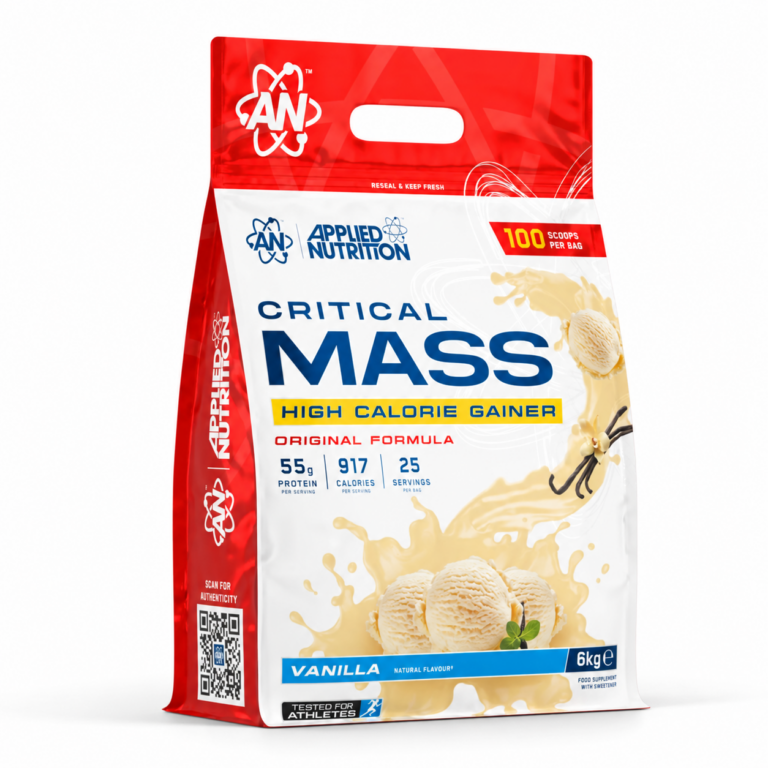
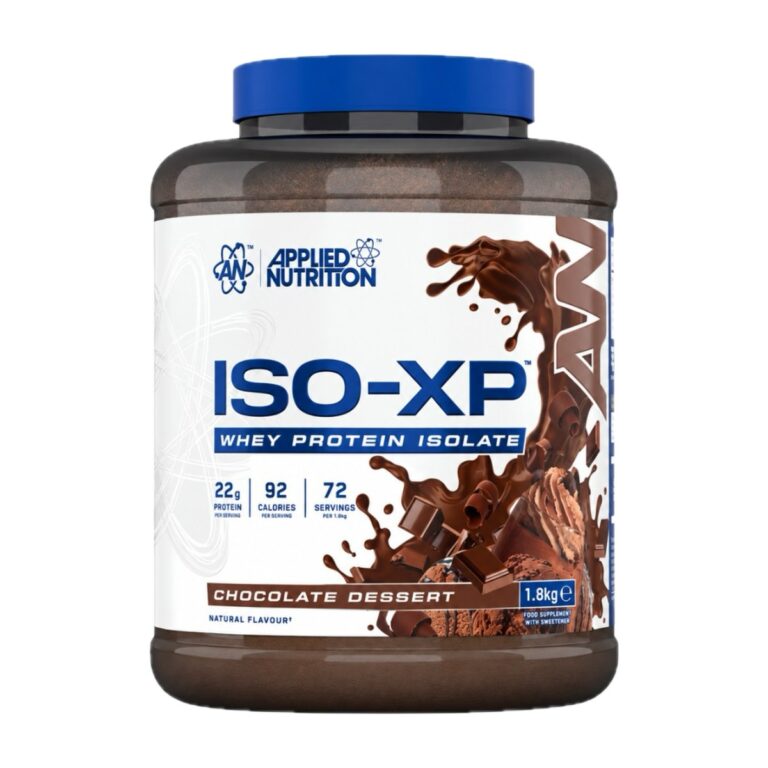
A whey shake mixed with milk or a oat drink, plus a handful of almonds. Around28 gs of protein, two minutes’ preparation time.
2: The classic, improved
Two eggs, a slice of wholemeal bread, and a sugar-free jam Instead of your usual jam. Contains around 20 g of protein and 25 g less sugar than traditional jam.
3: Savoury
Three-egg omelette, sautéed vegetables with cooking spray, a pinch of zero-calorie sriracha sauce. Approximately21 gs of protein, very filling.
4. Gluten-free
The products Schär These allow you to enjoy a gluten-free breakfast of toast. Add some quark or an egg to meet your protein target — gluten-free products are rarely high in protein.
5. For those in a hurry on their way to work
A matcha latte and a protein bar. It’s not the ideal choice nutritionally speaking, but it’s infinitely better than a coffee and nothing else, or a pastry grabbed on the go.
Coffee – before or after?
Drinking coffee on an empty stomach is not known to cause any problems for most people. If you experience heartburn, have it after a meal instead.
A useful tip: caffeine has a half-life of 5 to 6 hours. A coffee at 16 hours still leaves half the active dose at 22 hours. If you’re having trouble sleeping, this is the first factor to check — before buying any supplements.
Our range of coffee capsules and the matcha powder, which are milder in caffeine and provide a more gradual effect, cater to both profiles.
Mistakes to avoid
Piling supplements onto a breakfast that remains unbalanced. A protein shake on top of three msemen and a very sweet tea does not fix anything: it just adds to the problem.
Start by substituting, not adding.
What if I’m not hungry in the morning?
Don’t force yourself. Breakfast isn’t compulsory, and skipping this meal is perfectly safe provided your daily nutritional requirements are met. The ‘25’ rule at 30 g therefore applies to your first meal of the day, whatever time that may be.
View all thehealthy groceries.