A calorie deficit rarely fails due to a lack of willpower. It fails because meals become boring. A steamed cutlet and plain broccoli, eaten for three weeks, eventually lead to a slip-up. This is exactly the problem that zero-calorie sauces are designed to solve.
How can a sauce have zero calories?
A classic sauce derives its calories from three sources: oil, sugar and, sometimes, cream. Mayonnaise contains around 700 kcal at 100 g, almost entirely made up of oil. Shop-bought ketchup contains 20 at 25 % of sugar.
Zero-calorie sauces replace oil with thickened water, and sugar with intense sweeteners — most commonly sucralose or steviol glycosides. The volume and texture are retained, whilst the calories are eliminated.
This does not mean ‘containing nothing’. It means that the energy density falls to a negligible level per serving.
The truth about sweeteners
This is the question that always comes up. The sweeteners used in these products are assessed by the EFSA, with acceptable daily intakes that are far higher than what is actually consumed. For sucralose, the ADI corresponds to several dozen portions of sauce per day for an adult of 70 kg.
The real concern is not toxicological, but digestive: certain polyols, when taken in high doses, can cause discomfort. The sauces contain only small amounts, but if you are sensitive to them, introduce them gradually.
What works
The homemade burger. A wholemeal bread roll, a ‘5 %’ burger, some salad, and a Zero-calorie Andalusian sauce or a Samurai. You can enjoy the taste of fast food with just a third of the calories.
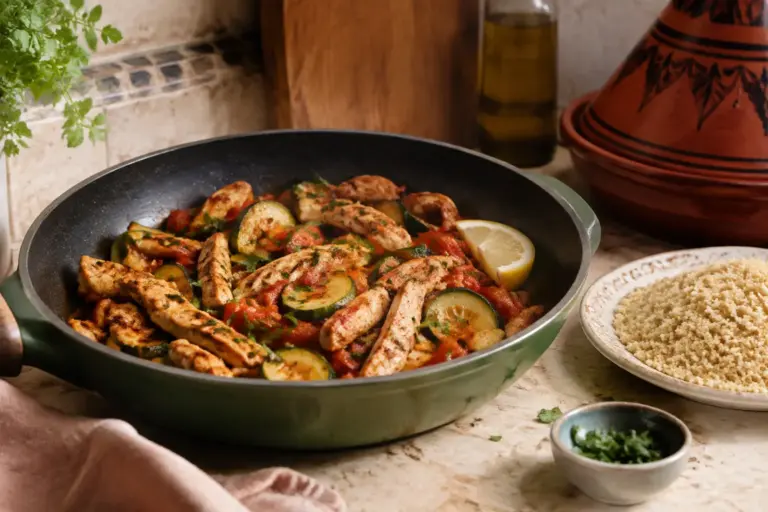
Sunday evening chicken and rice. This is the meal that leaves you feeling full the quickest. A Teriyaki sauce It’s a complete change of flavour, without the sugar-15 gs of a classic teriyaki sauce.
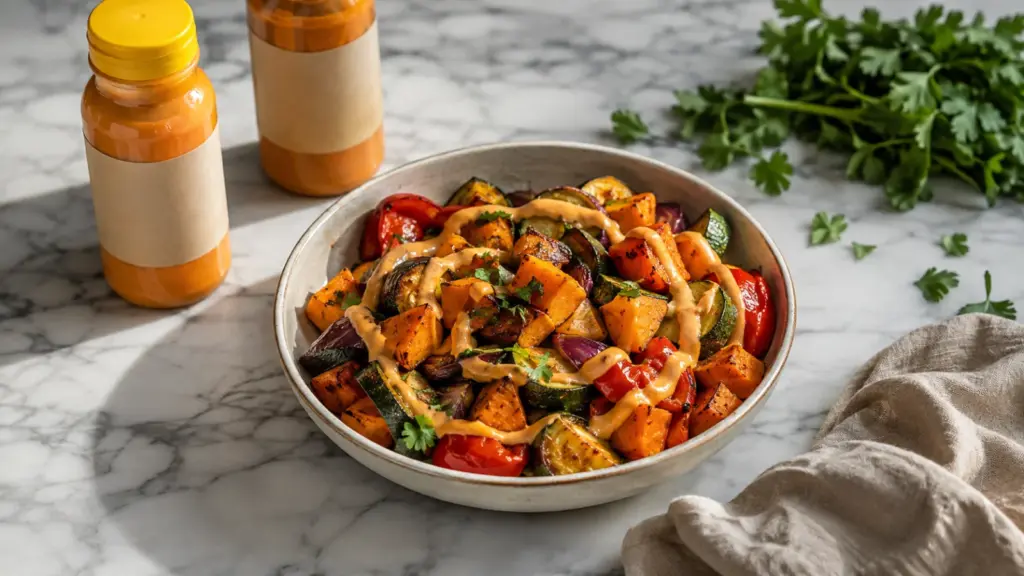
Roasted vegetables. A cooking spray Replaces a drizzle of olive oil when baking. Two sprays are enough where a tablespoon used to be needed 90 kcal.
Breakfast. A zero-sugar apricot jam on wholemeal bread, instead of a jam with a su60 %.
An honest clarification
The cooking spray is not strictly zero-calorie: it contains oil, albeit in a tiny amount per spray. The term ‘zero’ on this type of product refers to the nutritional value per regulatory portion, not the total absence of fat. For pan-frying, it’s a real bonus; for deep-frying, it’s no substitute.
What these sauces do not do
They do not make you lose weight. They simply replace calories you would otherwise have consumed, which is not the same thing. If you didn’t eat mayonnaise before, adding a zero-calorie version brings no benefit — just flavour.
Their purpose is to make a diet sustainable; without them, it would be abandoned after a month. They are a tool to help you stick to the diet, not a fat-burner.
How to choose them
Check three things on the label: the sodium content (some sauces use salt to balance out the sugar), the list of sweeteners if you’re sensitive to them, and the presence of thickeners such as xanthan gum, which are perfectly common.
The entire range can be found in the category Healthy cooking, and the sugar-free versions in Sugar-free.