
Recovery isn’t just about what you drink after your last set. It depends first and foremost on training load, sleep and diet. Supplements come next, with varying levels of evidence to support their effectiveness.
1: A charge you can recharge
If every session ends in failure and the volume keeps increasing without a break, no product will make up for it. Vary the intensity, progress in small steps and plan for lighter days.
2. Seven to nine hours’ sleep
The NIH states that adults generally need bet7–9 hours. A single bad night’s sleep does not undo progress; chronic sleep deprivation impairs alertness, the quality of training sessions and appetite regulation.
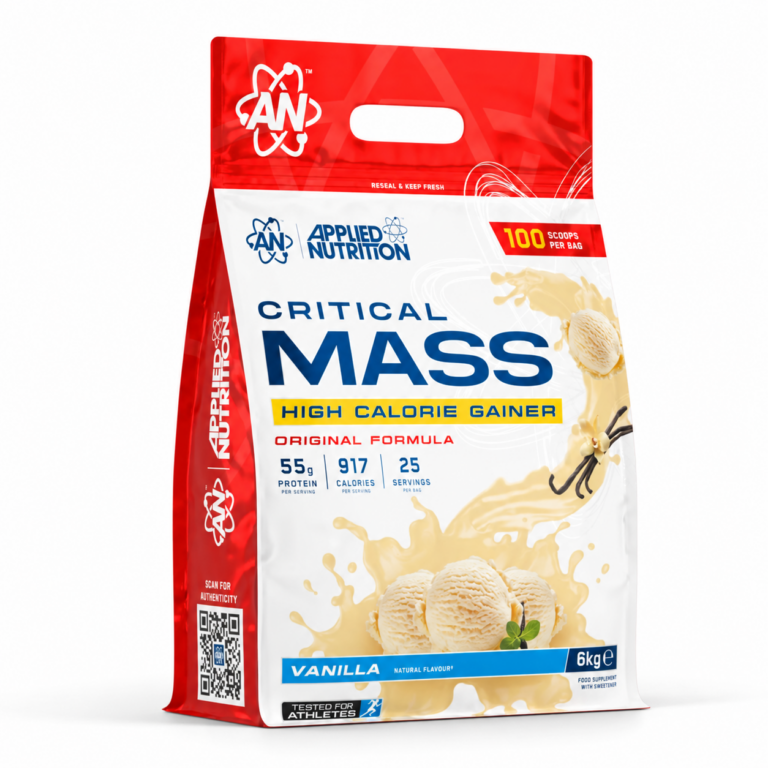
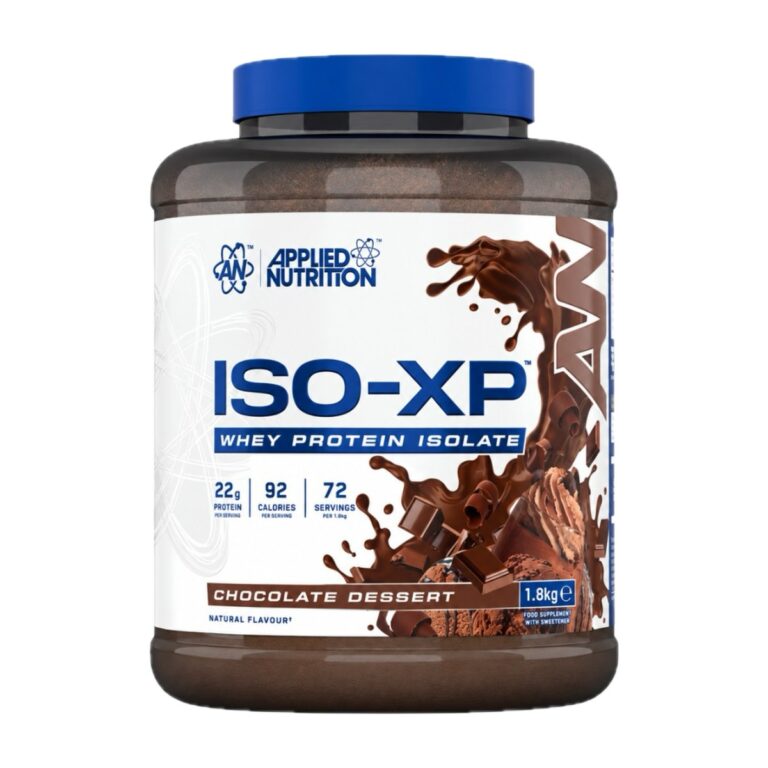
3. Plenty of energy and protein
An active person often benefits from 1,4 to 2,0 g of protein per kg of body weight per day, according to the ISSN, spread throughout the day. Carbohydrates replenish glycogen, particularly when training sessions are long or closely spaced. A very severe calorie deficit slows down recovery.
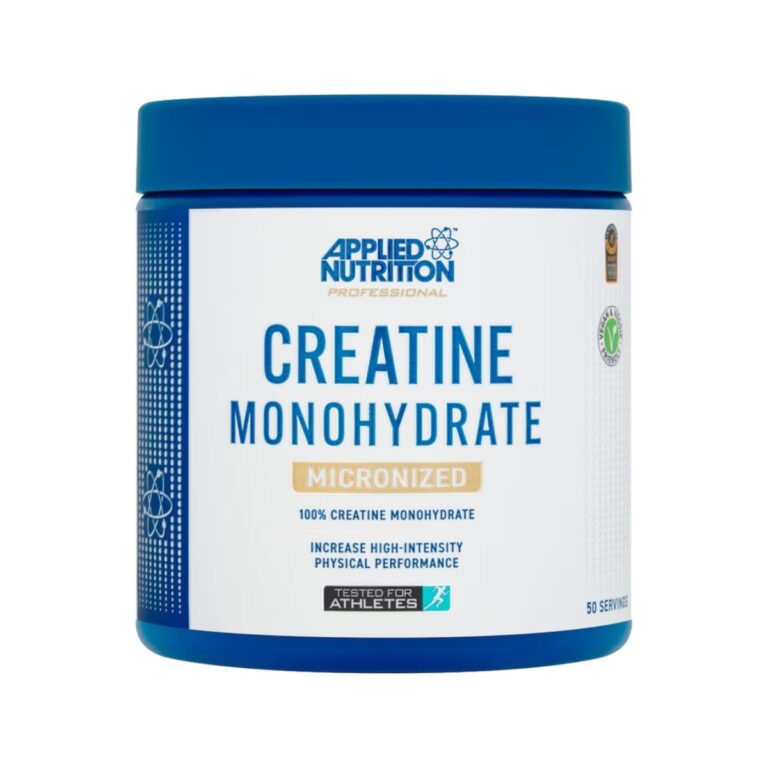
4. Creatine: useful for repetitive exercise
Creatine monohydrate is well documented for repeated high-intensity exercise and adaptations to resistance training. It works gradually, not as an immediate painkiller.
5. What about glutamine?
Glutamine is abundant in the body. In healthy athletes who consume sufficient protein, the evidence does not show an effect as pronounced as that of creatine on strength or muscle mass. It may have specific clinical uses, which should not be confused with the general claim of ‘recovery’.
The 250 g Pure L-Glutamine is available. Consider it as a secondary option once you have sorted out your sleep, exercise routine and diet.
A simple dashboard
Monitor three key indicators: performance on a benchmark exercise, sleep quality and level of tiredness upon waking. If all three deteriorate over several days, reduce your training load and identify the cause before adding a supplement.