The ketogenic diet involves reducing carbohydrate intake to a very low level — generally to under 50 g per day, sometimes to under 20 g — to force the body to use fat as its main source of fuel. Here is what is established, and what is less so.
What’s really going on
When deprived of carbohydrates, the liver produces ketone bodies from fatty acids. The brain, which cannot use fatty acids directly, uses them as an alternative fuel source. This is known as nutritional ketosis.
It is generally used as a 2 to 4 days of very low carbohydrate intake.
Not to be confused with diabetic ketoacidosis, which is a medical emergency affecting people with type 1. The two words sound similar, but the situations are completely different.
What the studies show
On short-term weight loss, the keto diet works well. There are two reasons for this: protein and fat are very filling, and restricting carbohydrates automatically cuts out a large proportion of processed foods.
12-month-old and older… meta-analyses do not show that the keto diet is significantly superior to other diets of equivalent calorie content. What sets successful diets apart is the one that the individual manages to stick to.
On drug-resistant epilepsy, on the other hand, the indication is medical and well-established — it is, in fact, the historical origin of this diet.
Mistakes made in the first few weeks
‘Keto flu’. Fatigue, headaches and irritability for 3 to 7 days. This is not ketosis itself: it is mainly a loss of water and electrolytes. The drop in insulin causes the body to excrete sodium, which in turn draws out water. The solution is simple: drink plenty of fluids and increase your intake of salt, potassium and magnesium.
Believing that ‘carbohydrate-free’ means ‘all you can eat’. A calorie deficit remains essential for weight loss. It is entirely possible to hit a plateau whilst on a keto diet.
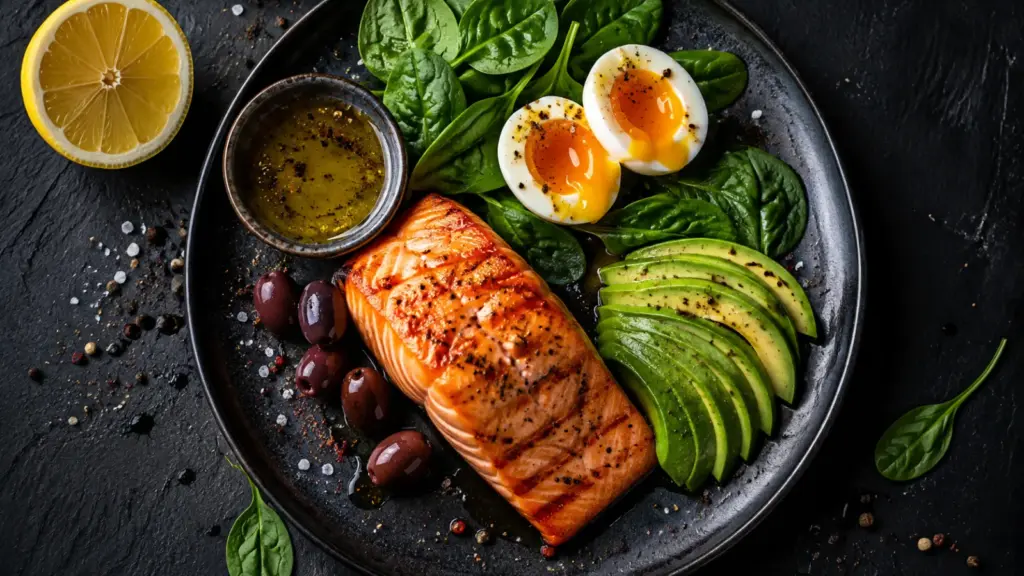
Eat only animal fat. A keto diet based solely on cold meats and cheese is not the same as one based on oily fish, olive oil, avocado and green vegetables. The blood lipid profile reacts differently.
Forget about fibre. This is the most common deficiency, and the constipation that goes with it. Plenty of green vegetables, seeds, and if necessary, psyllium.
Products that make life easier
The keto diet is particularly strict when it comes to condiments and snacks, where sugar is often hidden.
- The zero-calorie sauces These are a substitute for ketchup and sweet sauces, which are classic carbohydrate traps.
- The sugar-free jams These allow you to enjoy a sweet breakfast.
- The Keto Collagen Combines collagen and MCTs, suitable for a ketogenic diet.
- The cooking spray To keep added fats under control — even on a keto diet, calories matter.
View category ketogenic diet and low glycaemic index.
Sport and keto
For moderate-intensity endurance exercise, the body adapts after a few weeks. For very intense, short bursts of exercise — such as sprints or heavy sets — performance is generally reduced due to a lack of available glycogen.
If your goal is strength or muscle growth, the keto diet isn’t the most favourable environment. It’s not impossible, it’s just more difficult.
Who should avoid
People with type 1, those taking certain anti-diabetic treatments, pregnant women, people with a history of eating disorders, and those with liver or pancreatic conditions. In these situations, seeking medical advice is not merely a formality.