Article updated on 6 September 2026.
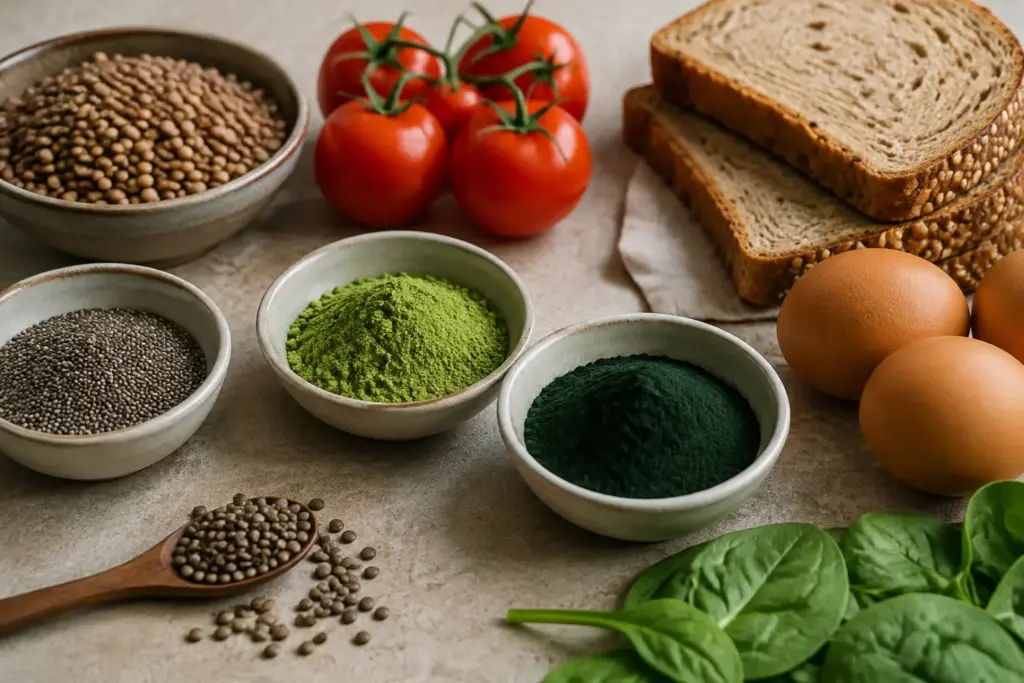
It is perfectly possible to eat well without chia, moringa or spirulina. These ingredients can add variety and be appealing for their texture or taste, but they are not essential for a balanced diet. The term ‘superfood’ is no substitute for checking the actual portion size consumed.
The pitfall of values per 100 g
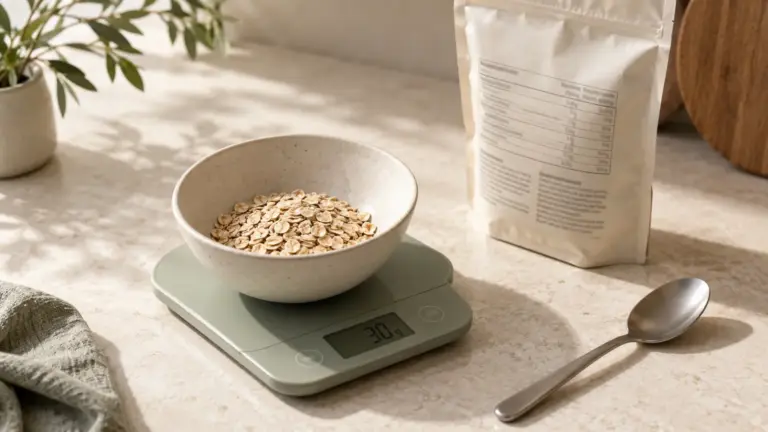
A powder may be labelled as containing a high amount of protein per 100 g, whilst the serving size used weighs only a few grams. For example, even a product comprising 60 per cent protein would provide only 3 g of protein in a 5 g portion. This calculation does not refer to any particular brand: it illustrates why the percentage alone can be misleading.
Comparing a teaspoon of powder to a plate of lentils or two eggs therefore doesn’t make much sense. You need to compare realistic portions, then look at the price, ease of use and the meal as a whole.
Three ingredients, three sensible uses
| Ingredient | Possible uses | What it does not replace |
|---|---|---|
| Chia seeds | Thicken yoghurt or porridge, mix up your choice of seeds | A wide variety of fruit, vegetables, pulses and cereals |
| Moringa powder | Add a small amount to a dish if the taste is to your liking | Adequate portions of a varied diet; this product is not intended to treat any deficiency |
| Spirulina | An ingredient or supplement to be assessed on the basis of its quality and actual use | A reliable source of vitamin B12 for a vegan diet |
ANSES points out that spirulina is not a reliable source of vitamin B12 and highlights the risks associated with potential contaminants. Traceability and the quality of the supply chain are therefore essential. Source: ANSES, update on spirulina.
What everyday foods can already do
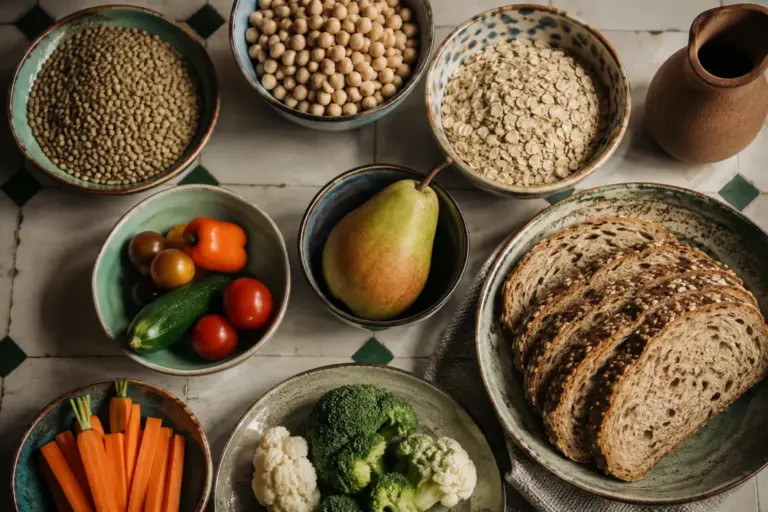
Lentils, chickpeas and beans provide fibre and protein. Eggs, dairy products and fish can contribute to protein intake depending on dietary habits. Vegetables, fruit and whole grains add variety to meals. The WHO places this variety of foods at the heart of its recommendations, without requiring any rare ingredients. Source: WHO, healthy eating.
In Morocco, a loubia, a lentil salad, sardines served with vegetables or a bowl of porridge can therefore be useful and familiar choices. The value of a meal does not depend on how much it resembles a photo of a smoothie on social media.
Three easy ideas to try
- Yoghurt and seeds: Add a small amount of chia to yoghurt, leave to soak according to the instructions, then top with a piece of fruit. Increase the amount gradually if you are not used to the fibre.
- Vegetable soup: Prioritise a proper portion of vegetables and pulses first and foremost; a powder is optional and should not be used to make up for an inadequate meal.
- Porridge: Oats, milk or a suitable alternative, fruit and a few nuts. The seeds are used to vary the texture, not to make the bowl ‘magical’.
Do not swallow a spoonful of dry seeds in an attempt to feel full. People with difficulty swallowing or a digestive condition should seek advice before making significant changes to their fibre intake.
A four-question guide to shopping
- Do I like this ingredient and know how to use it?
- ‘What does my portion provide?’, rather than ‘100 g in theory’?
- What cheaper food could serve the same purpose?
- Are the origin, manufacturer and precautions clearly stated?
If you’re on a tight budget, buying enough staple foods takes priority over expensive powders. Here’s how to put this into practice: Budget-friendly protein-rich meal plans and Seven Moroccan breakfasts.
Original illustration.