Article updated on 6 September 2026.
‘Fibremaxxing’ involves trying to eat more fibre. The idea can be useful if your diet is lacking in fibre; the race for the highest figure is far less so. The right question is how to vary your meals whilst maintaining comfortable bowel movements.
Fibre is not just a powder
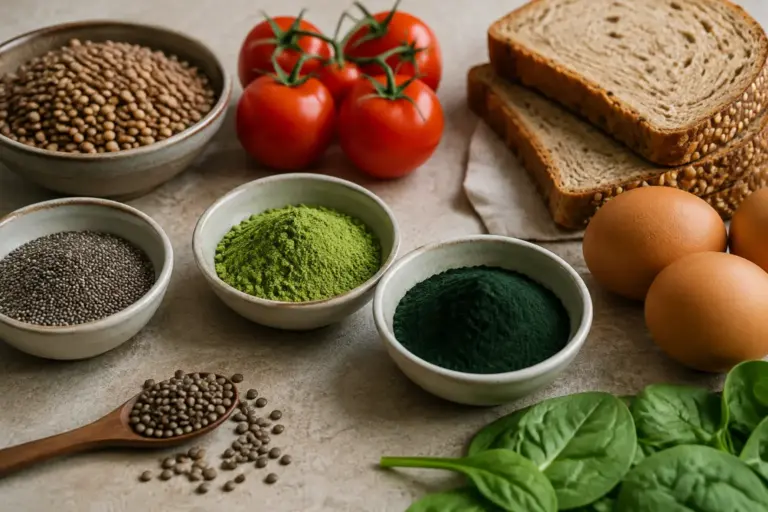
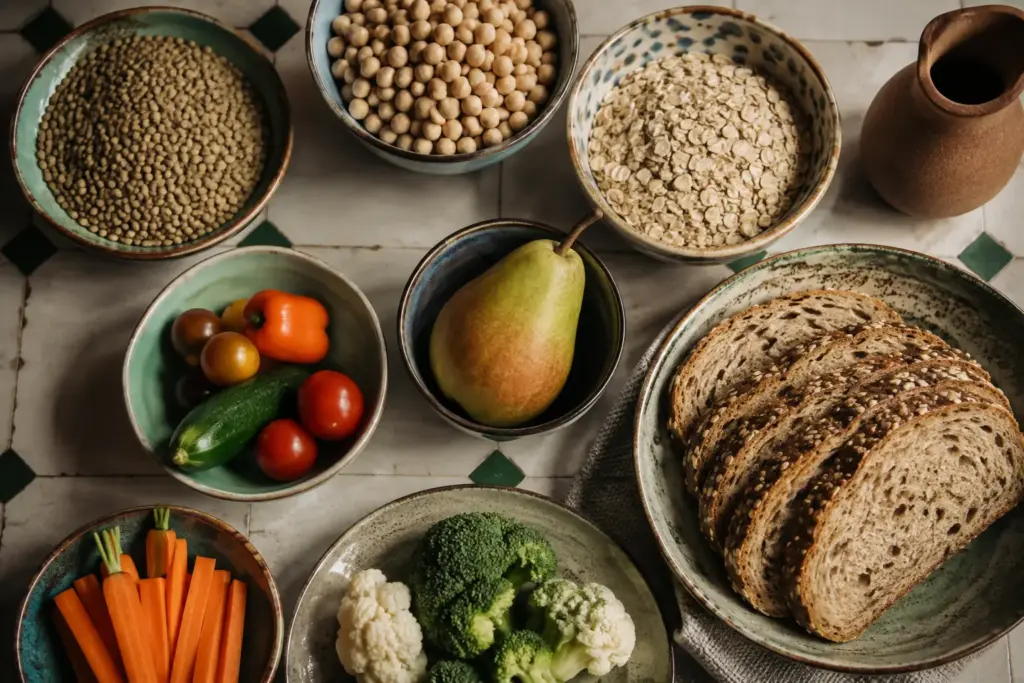
They are found in pulses, whole grains, fruit, vegetables, seeds and nuts. These foods also provide other nutrients and contribute to a varied diet. The WHO recommends that people aged 10 and over consume at least 25 g of fibre naturally present in food every day. This guideline is not an invitation to double your intake overnight. Source: WHO dietary guidelines.
For someone who mainly eats white bread, few vegetables and rarely eats lentils, adding several large portions of pulses and a fibre supplement on the same day may cause discomfort. A gradual approach helps to distinguish between what is well tolerated and what needs to be adjusted.
A three-step approach, without getting hung up on grams
| Step | A change worth trying | What we’ve observed |
|---|---|---|
| Get started | Add a whole piece of fruit or a portion of vegetables to a regular meal | Digestive comfort, hunger, ease of use |
| Diversify | Start with a small portion of lentils or chickpeas, then increase the amount depending on how well you tolerate them | Bloating, digestion and the joy of eating |
| Install | Vary your diet with wholemeal bread, oats, pulses and vegetables rather than relying on a single product | Consistent use over several weeks |
The stages do not follow a mandatory medical schedule. If a change causes adverse effects, revert to the previous dosage and seek advice if symptoms persist. Drinking regularly supports this process; those on a restricted fluid intake should follow their doctor’s advice.
What does a typical day in Morocco look like?
For breakfast, stick to bread and add a whole piece of fruit, or make porridge with a dairy product. At lunchtime, complement a vegetable dish with lentils or chickpeas. In the evening, a soup containing real chunks of vegetables and pulses makes a nice change from plain stock. A small handful of nuts can round off the day if they fit your budget and you have no allergies.
There’s no need to change all your meals at once. A dish of loubia, a lentil salad or a couscous packed with vegetables can already fit into this approach. Context matters: a salad drowned in a sugary dressing and a fibre-enriched biscuit do not become equivalent simply because a fibre figure appears on their label.
Read the packaging information based on the portion actually consumed
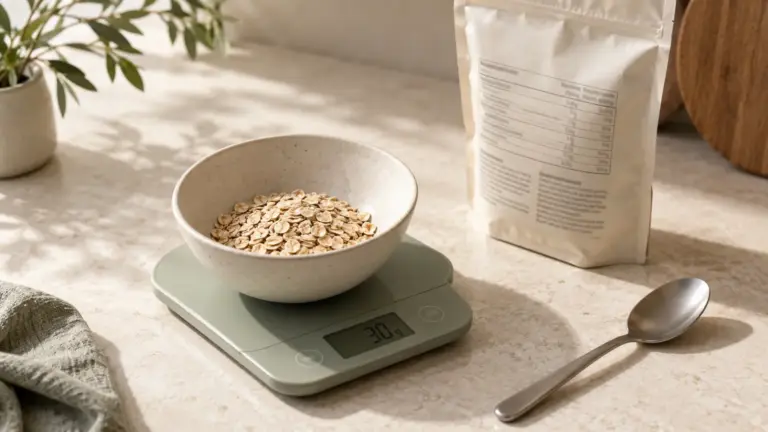
If a product states 12 g of fibre per 100 g and the portion consumed is 25 g, it provides 3 g of fibre. Comparing the portion size prevents attributing the value of a whole packet to a small snack. Also check the ingredients, sugar content and tolerance to polyols or added fibre.
A fortified product may have its place. It becomes less appealing if it costs significantly more, systematically replaces ordinary foods or causes discomfort that prevents you from sticking to your routine.
When a personalised approach is preferable
Severe pain, blood in the stools, unexplained weight loss or a lasting change in bowel habits warrant medical advice. A known digestive condition, difficulty swallowing or specific medical treatment may also require adjustments. Adding psyllium without reading the precautions is not a one-size-fits-all solution.
Further reading: our guide to psyllium and A week’s worth of meal plans featuring readily available ingredients. The aim is to establish a comfortable routine, not to set a fibre record.
Original illustration.