
Article updated on 6 September 2026.
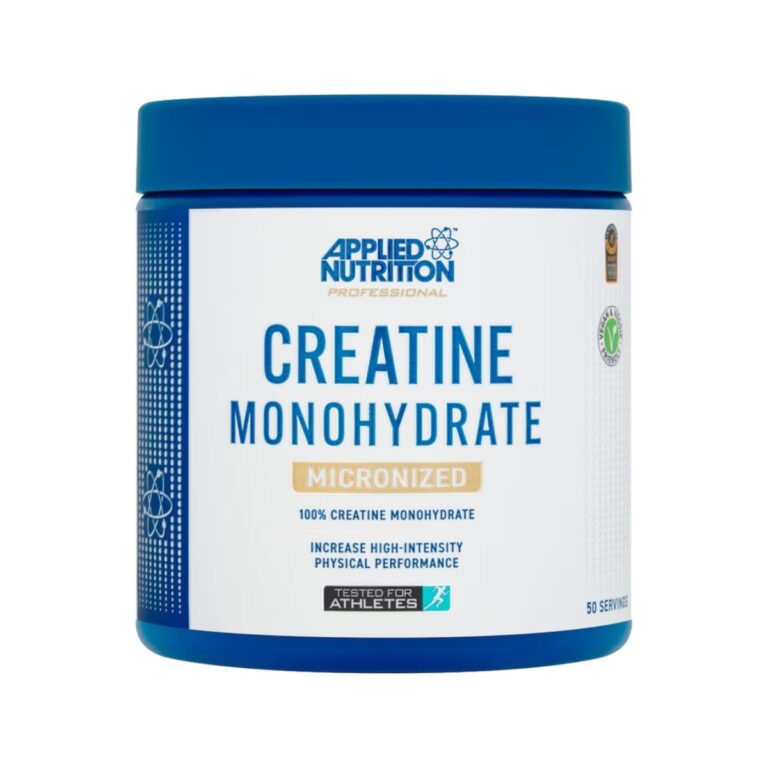
Creatine is well known in sports nutrition. Its role in energy metabolism has also led to research into cognition. There are some interesting findings, but they do not yet provide sufficient evidence to promise improved concentration in everyday life for anyone taking supplements.
A plausible mechanism is not enough
The brain uses energy to function, and creatine plays a role in the systems that help to supply it rapidly. This rationale makes the research relevant. It does not prove that taking a supplement systematically improves memory, reasoning or alertness in a healthy person.
To answer this, these effects must be measured in controlled trials, compared with a placebo and verified to ensure that the effects are robust enough to be replicated by other research teams.
The sleep-deprivation study: interesting, but very specific
A study published in 2024 in *Scientific Reports* involved 15 healthy young adults in a sleep deprivation protocol. An experimental dose of creatine was associated with changes in certain cognitive and brain energy measures. The sample size was small and the conditions were far removed from a typical day. Source: study on creatine during sleep deprivation.
This work does not justify losing sleep, nor does it justify replicating a high experimental dose in order to work longer hours. It addresses a specific research question. An improvement in a laboratory test does not prove that one will be more effective at work or in exams.
Why don’t all summaries say the same thing?
A 2024 meta-analysis reports favourable effects on certain aspects, notably memory, with varying levels of certainty. Source: summary of trials in adults. Another critical review finds no consistent evidence to support a generalisable cognitive benefit. Source: a critical review of data on cognition.
Studies differ in terms of age, diet, sleep, dosages and the tests selected. Furthermore, measuring several tests on the same participants does not create as many independent groups. The way in which these results are pooled can affect the confidence one places in a synthesis.
The EFSA’s view
In 2024, the EFSA assessed an application for a health claim regarding creatine and the improvement of cognitive function. It did not consider the cause-and-effect relationship to be established on the basis of the dossier examined. This is not to say that all future research will be negative; it is a clear limitation on the promise that can be made to the consumer. Source: EFSA scientific opinion.
How to make a decision without confusing your goals
| Objective | Reasonable reading |
|---|---|
| Making progress with weight training | Review your fitness data and diet, without adding a promise of automatic memory. |
| Compensating for chronic sleep deprivation | Tackle the sleep problem first; the supplement is not a replacement for this. |
| Improving your concentration on a daily basis | Do not expect certain benefits; first check your levels of fatigue, lifestyle and medical history. |
| New or progressive memory problems | Seek professional advice rather than self-medicating. |
A dose intended for sport should not be increased in an attempt to mimic a cognitive experience. If you have kidney disease, are pregnant, breastfeeding or on regular medication, check with a healthcare professional whether supplementation is appropriate. The decision depends on the individual and the product, not just on its popularity.
To put this into context: Information on creatine in bodybuilding and Sleep and recovery.
Original illustration.