Pre-workout supplements are the best-selling products in the performance section, and those with the most varied compositions. Some are based on three well-documented ingredients; others pile on fifteen substances in token doses just to fill out the label. Here’s how to read a formula.
Ingredients that stand the test of time
Caffeine. This is by far the main active ingredient. It reduces the perception of exertion and improves performance during various types of exercise. Effective dose: 3 to 6 mg per kilo, i.e. 200 to 400 mg for 70 kg.
Beta-alanine. It buffers muscle acidity and improves performance during exercise lasting be1s to 4 minutes — typically long sets. Dosage: 3 to 5 g per day; the effect depends on accumulation over several weeks, not on a single day’s intake. This is what causes the tingling sensation in the face: a mild sensation that is unrelated to the product’s effectiveness.
Citrulline malate. It increases nitric oxide production and vasodilation. Dosage: 6 to 8 g. This is what causes the ‘rush’.
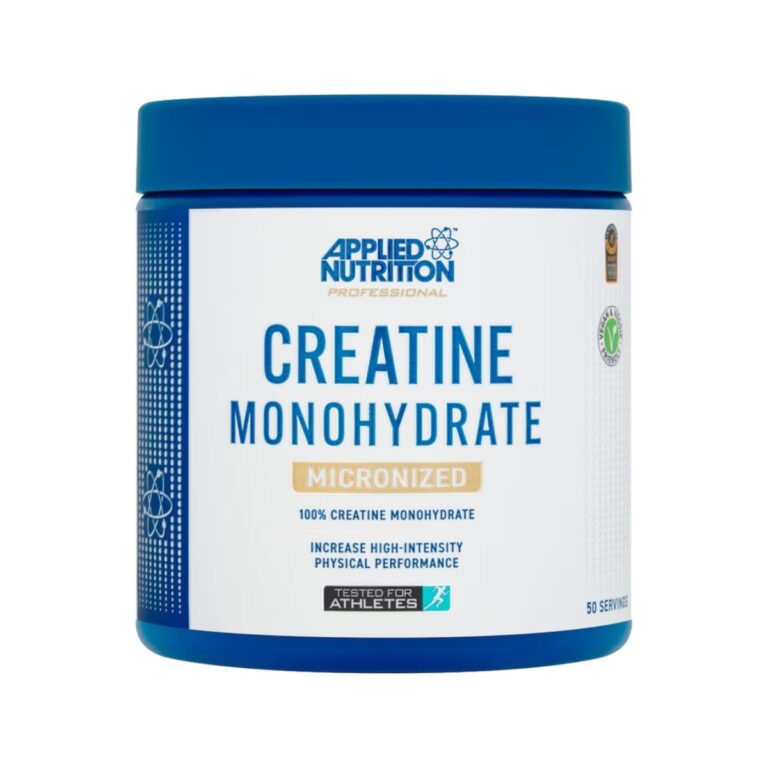
Creatine, where applicable. See our dedicated article: its effect depends on daily intake, not on when it is taken.
Decorative ingredients
Many formulations add amino acids, plant extracts or vitamins in doses far lower than those used in studies. They simply pad out the label without making any real difference.
The warning sign: the phrase ‘proprietary blend’. This allows a long list of ingredients to be displayed without revealing the quantities. A reputable formula specifies each dose.
How to read a label in thirty seconds
- Look for the caffeine content and its quantity in mg.
- Look for beta-alanine: is it at 3 g or 800 mg?
- Looking for citrulline: 6 g or 1 g?
- If these three are correctly balanced, the rest is of secondary importance.
The range ABE Ultimate Pre-Workout It states the dosages, which is precisely what makes this exercise possible. It comes in several flavours: Bubblegum Crush, Sour Gummy Bear.
The real problem: tolerance
Caffeine builds up a tolerance within two to three weeks of daily use. The same dose has less effect, so you increase it, and you end up at 400 mg to get the same results that 150 mg used to provide.
The solution is simple: Do not take daily. Save your pre-workout for high-intensity sessions, two to three times a week. For other sessions, a coffee is more than enough.
And keep an eye on the time. A half-life of 5 at 6 hours means that a pre-workout taken at 19 hours will still have an active dose remaining at midnight. Many people who ‘sleep poorly’ and are looking for a supplement to help with this simply need to reschedule their workout.
Alternatives depending on your needs
For long-distance endurance, this is not a stimulant but a source of carbohydrates. A carbohydrate complex or a energy gel are better suited to the problem.
For a more sustained energy boost, without the spike or the crash, the matcha Contains caffeine combined with L-theanine, which helps to smooth out the effect.
For recovery rather than stimulation, see the L-Glutamine.
Who should avoid this
People with high blood pressure or heart rhythm disorders, those on stimulant medication, pregnant women, and anyone sensitive to caffeine. This is not just a standard precaution: these products contain caffeine doses far higher than those found in a cup of coffee.
Browse the category Energy and endurance.