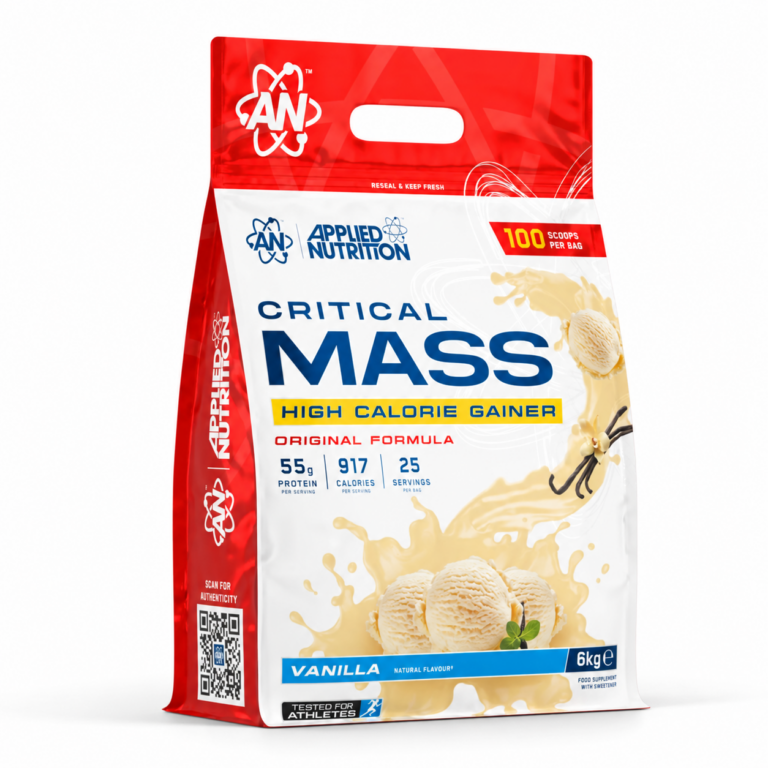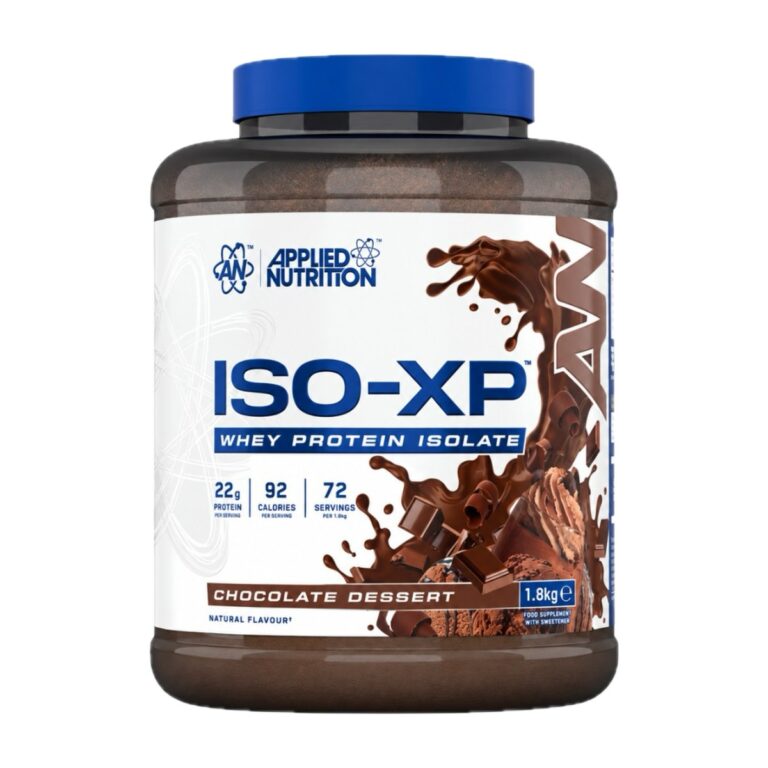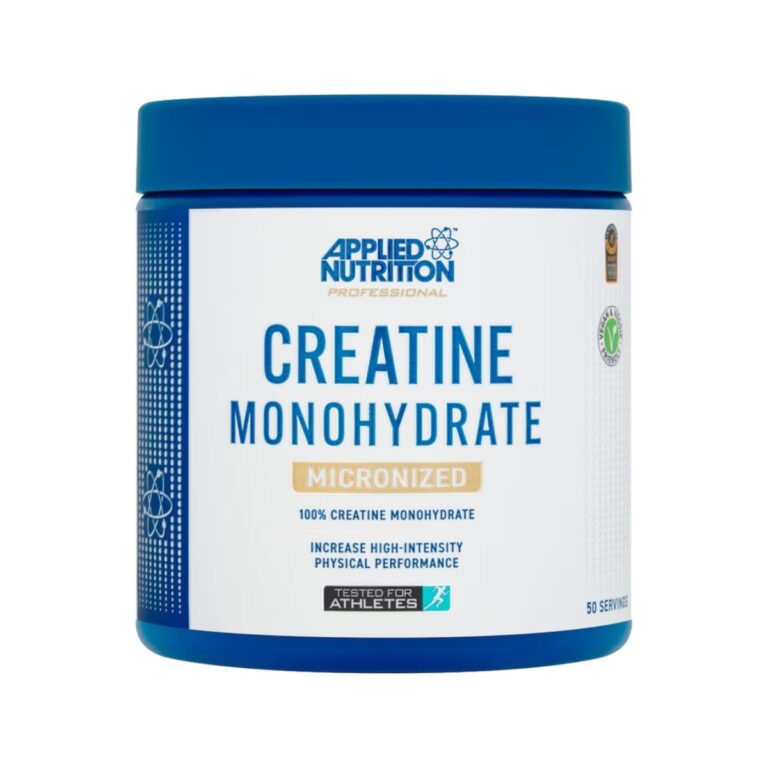

The protein powder section is the one that generates the most questions. Whey, isolate, casein, blend: the names sound similar, the labels all say ‘protein’, and the price difference can be as much as double. Here’s how to make the right choice.
The three product ranges, in one sentence each
Whey concentrate This is the most common form. It contains 70 to 80 % of protein, a small amount of lactose and a small amount of fat. It takes 1 to 2 hours to digest.
The isolate is a more finely filtered whey: 85 at 90 % protein, very low in lactose, almost no fat. It is digested slightly more quickly.
Casein is the other protein found in milk. It coagulates in the stomach and releases its amino acids over 5 to 7 hours.
How to choose in practice
Are you just starting out, or are you looking for the best value for money?
Start with a whey concentrate. Over the course of a day, what matters is your total protein intake, not how quickly a particular shake is absorbed. The differences between whey and isolate are marginal, and these differences only matter if the rest of your diet is already sorted.
The range Diet Whey byApplied Nutrition meets this need, with options such as 900 g to try out and 1,8 kg for long-term use.
Do you have difficulty digesting lactose?
This is where the isolate really comes into its own. By removing most of the lactose, it eliminates the bloating and digestive discomfort that some people experience after taking standard whey. This isn’t just a luxury: if a product upsets you, you’ll eventually stop taking it.
View the selection protein isolate.
You’re cutting weight and you’re feeling peckish in the evening
This is the realm of casein. Its slow digestion keeps you feeling full for several hours, which helps you get through the evening without snacking. Taken before bed, it keeps you going through the night.
The question of dosage
The recommended range for a person doing resistance training is 1,6 2,2 gs of protein per kilogram of body weight per day. For ‘70 kg’, this amounts to 112 to 154 g per day, from all sources combined — meat, fish, eggs, pulses and powder.
The powder is merely a convenience supplement. If you are already meeting your nutritional requirements through your diet, it will not provide you with any additional benefits.
Three common mistakes
Take three shakers a day and skip meals. The powder is convenient, but not superior. A chicken breast and a shaker provide the same amount of amino acids; chicken also provides iron, zinc and a feeling of fullness.
Choose by scent rather than by label. Look at the amount of protein per serving, not just the percentage shown in large print. One serving of 30 g at 80 % provides 24 g of protein; one serving of 25 g at 90 % provides 22,5. The highest percentage isn’t always the best.
Ignoring creatine. If the aim is strength and muscle mass, the creatine monohydrate is the supplement with the best-established benefits, and it costs significantly less than a tub of protein. See our dedicated article.
And what about recovery?
Protein supports muscle recovery. Two supplements are sometimes taken to aid this:
- the L-Glutamine, particularly useful during periods of high training intensity;
- the Omega-3, for inflammatory conditions, in a halal version.
In summary
| Your situation | The right choice |
|---|---|
| Beginner, budget-conscious | Whey concentrate |
| Digestive problems, lactose intolerance | Isolate |
| Thirst, night-time hunger | Casein |
| Strength and mass above all else | Whey + creatine |
Browse the entire sports nutrition or the full range.