Whey, isolate, “ISO”, blends… Tubs can look similar while their prices differ. This guide helps you choose between conventional whey and whey isolate, and compare two products on a clear basis.
Whey and isolate: the same protein, processed differently
Whey protein comes from milk. Two common forms are:
- Whey concentrate retains some lactose and fat. The composition of the finished product also depends on the other ingredients added.
- Whey isolate is further purified to increase the proportion of protein and reduce other components. “Isolate” does not automatically mean “lactose-free”.
The American Dairy Products Institute describes these processing differences. For the tub you are buying, always compare values per 100 g: the definition of an ingredient does not, by itself, describe a finished flavoured powder.
Many products are blends of concentrate and isolate, sometimes with other proteins. Read the ingredient list to identify the formula. Do not confuse the proportion of a protein ingredient with the grams of protein actually shown in the nutrition table.
When to consider an isolate
- You want a high proportion of protein relative to carbohydrate and fat: compare the figures for the chosen flavour.
- You want to examine an option generally lower in lactose than whey concentrate. The amount remaining depends on the product; the word “isolate” does not guarantee tolerance.
- Its size, ingredients and price better match your requirements.
Whey is still derived from milk, as explained by the National Dairy Council. Low lactose content does not make isolate suitable for someone with a milk protein allergy.
To compare a different protein source, read our Beef XP and beef protein guide. If you have an allergy, do not choose a product based only on “lactose-free”: check allergens and trace risks with a healthcare professional. The Food Standards Agency distinguishes absence of lactose from absence of allergenic milk proteins.
When conventional whey may meet your needs
If the ingredients suit you and your aim is to supplement your protein intake, whey concentrate or a blend can serve that purpose. Check the cost for an equal amount of protein before assuming it is cheaper. Your overall diet and training matter too: powder type alone cannot predict your results.
The Applied Nutrition ISO-XP example
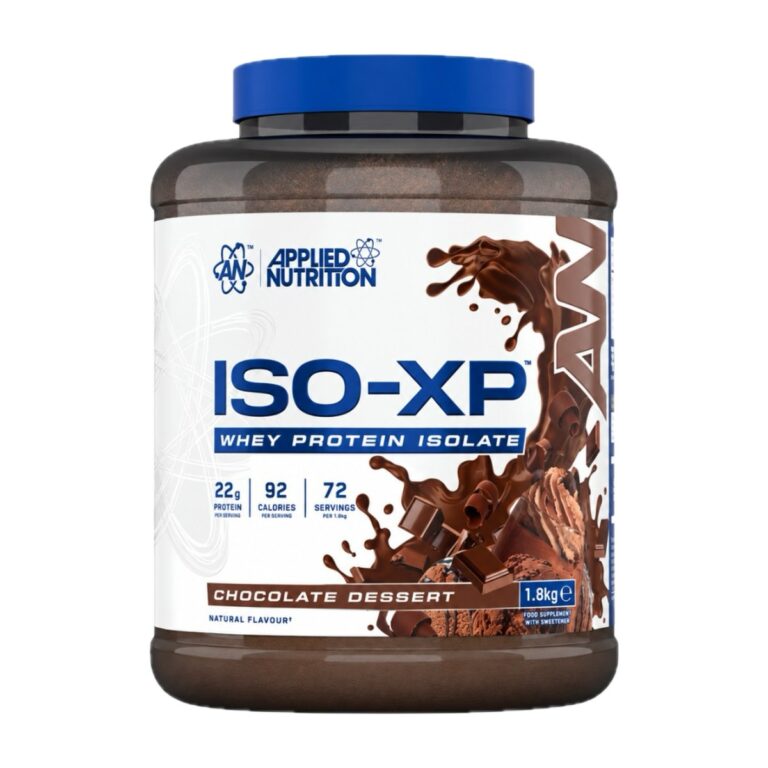
When comparing ISO-XP, first choose the exact flavour and size. The manufacturer’s page, checked on 11 October 2026, lists different ingredients by flavour. Figures for one flavour should not be applied to the whole range. Read the values per 100 g, then the serving size on your tub.
Check allergens, trace warnings and certifications for the relevant reference. Sunflower lecithin alone does not guarantee the absence of soy traces.
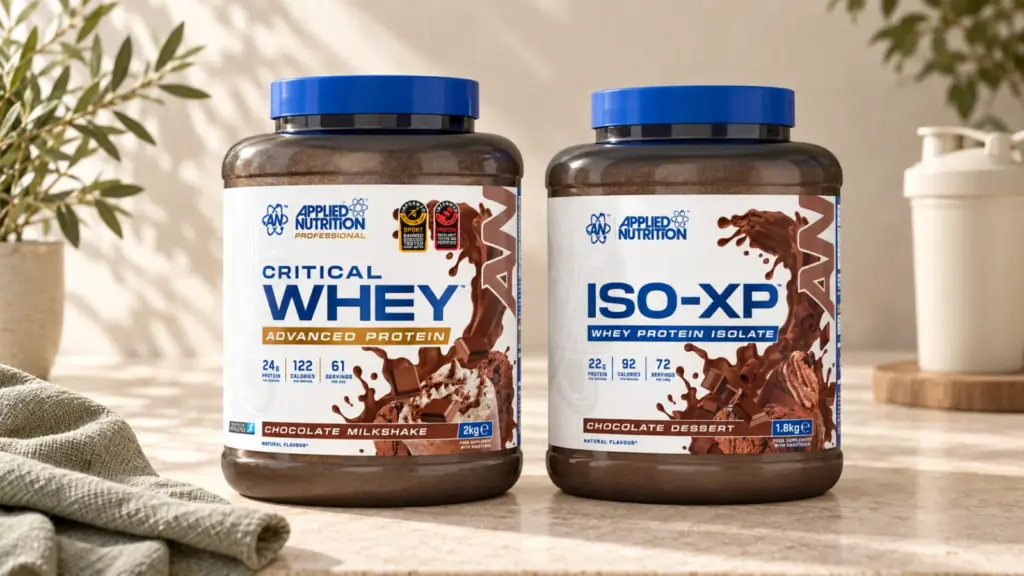
Browse the listed flavours in our whey isolate section in Morocco, including ISO-XP Chocolate 1.8 kg and ISO-XP Café Latte. The product page shows the price and availability when you shop.
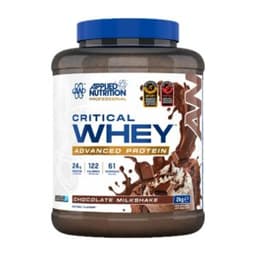
Applied Nutrition also offers protein blends such as Critical Whey Chocolate Milkshake 2 kg. Compare the ingredients of the relevant flavour; the manufacturer’s current formula should not automatically be assigned to an older tub.
How to compare two tubs
- Price per serving: tub price ÷ the number of servings stated on the label.
- Protein per serving: a 25 g serving and a 30 g serving are not directly comparable. Look at grams of protein, not just powder weight.
- Price per 20 g of protein: a useful common basis for comparing cost, without pretending to measure quality or effectiveness.
- Carbohydrate and sugar, as well as fat, according to your own requirements.
- Relevant label information: allergens, halal certification if you require it, and product- or batch-specific anti-doping verification for tested athletes.
Cost per 20 g of protein = tub price × 2,000 ÷ (net weight in g × protein per 100 g). Use the price actually paid and the nutrition table for the flavour you buy.
How much protein per day?
The International Society of Sports Nutrition’s 2017 position stand gives a reference range of 1.4–2 g of protein per kilogram of body weight per day for most healthy adults who exercise. This includes all protein in meals, not just powders, and is not an individual prescription.
A powder can supplement food intake when useful; it does not replace meals. If you have a medical condition or a prescribed diet, have your requirements assessed by a qualified professional. For more on the protein families, read Whey, isolate or casein: which protein suits your goal?
To help with your choice, see our method for checking a whey product’s halal claims. If you are choosing between a protein powder and a gainer, our mass gainer or whey comparison explains how to compare their ingredients, servings and price.
Key points
- Isolate: check the protein, carbohydrate and lactose content of the exact product; its name alone does not guarantee tolerance.
- Whey concentrate or a blend: an option to compare if its ingredients meet your needs.
- Compare the price per 20 g of protein, not just the tub price.
Browse the references in our whey protein and whey isolate sections, with delivery in Morocco.
Information and sources reviewed on 11 October 2026. Formulas may change: check the label of the product you buy.